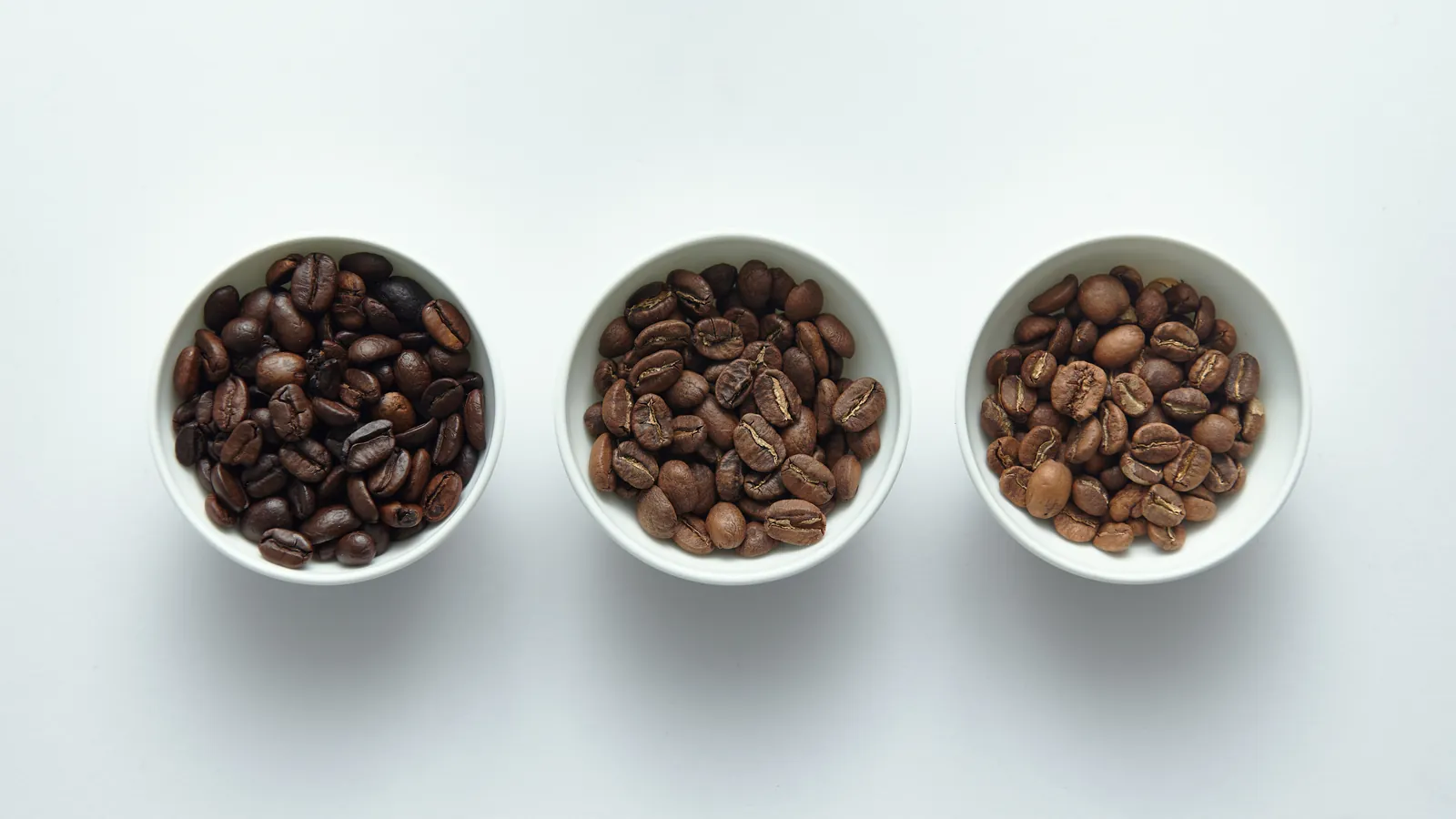
Roast level is the single biggest clue on a coffee bag about how the cup will taste. Light roasts lean bright and crisp, medium roasts land in the middle with more sweetness and body, and dark roasts bring heavier, roasty flavors with less acidity. If you know which of those you enjoy, picking a bag gets a lot easier.
What roasting does to a coffee bean
Green coffee beans are hard, grassy and nothing like the coffee you brew. Roasting uses heat to drive out moisture, build sugars into deeper flavors and turn the bean brown. The longer and hotter the roast, the further those changes go. A roaster stops at the point where the beans taste the way they want them to, and that stopping point is what we call the roast level.
There is no official scale shared by every roaster, so one company's medium can look like another's medium dark. Treat the roast name as a direction rather than an exact measurement, and let your own taste make the final call.
Light roast: bright and clean
Light roasts are taken out of the roaster earliest. The beans look lighter brown and dry on the surface. In the cup they tend to taste brighter and more delicate, with fruit or floral notes and a lighter body. People who drink their coffee black often like a light roast because there is less roasty bitterness covering the other flavors.
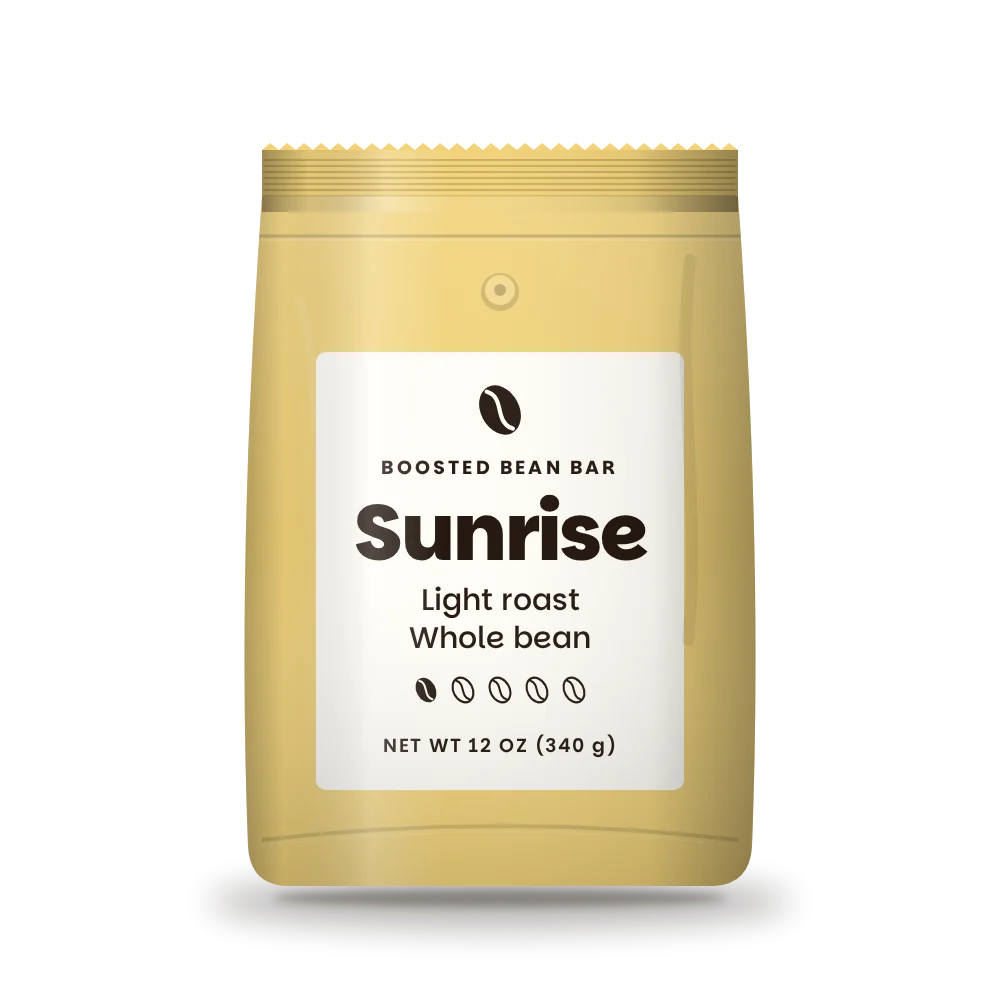
Our Sunrise Light Roast is the light roast on the shelf. Because it is whole bean, you grind it fresh right before brewing, which helps keep those lighter flavors intact.
Medium roast: the everyday middle
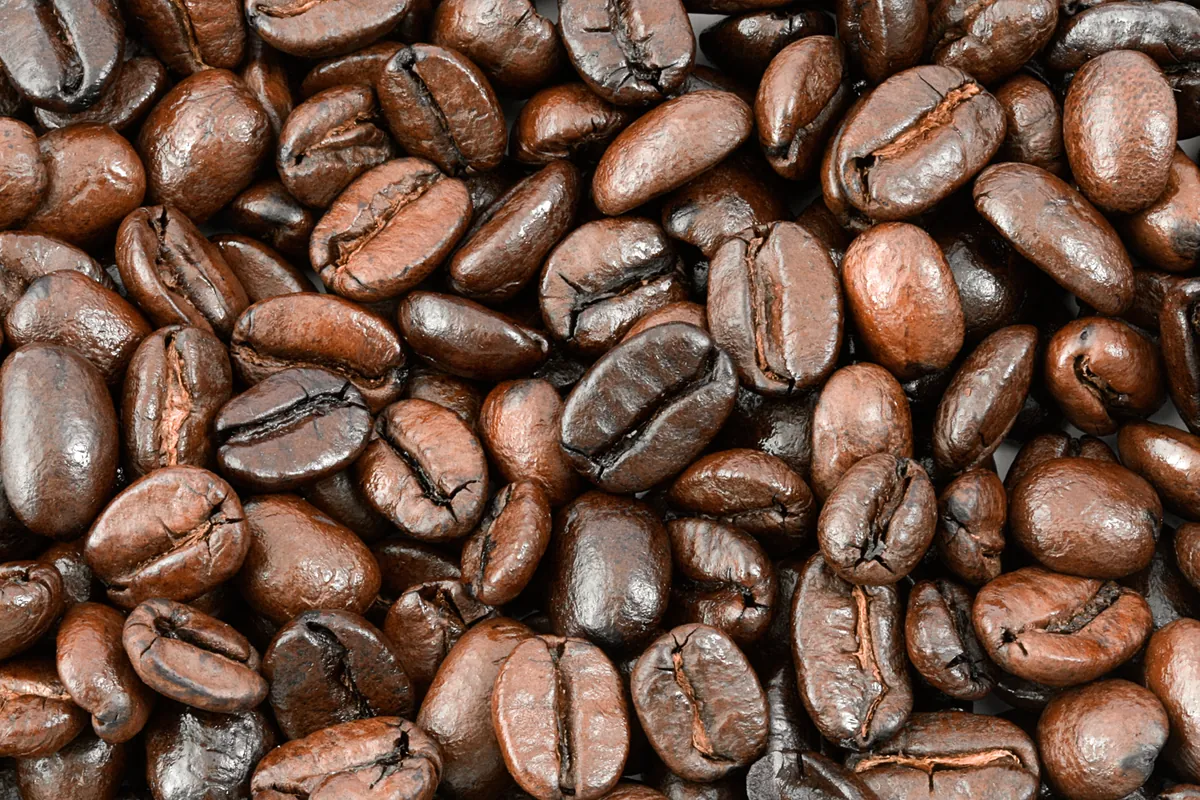
Medium roasts spend a little longer in the roaster. The color is a fuller brown, and the flavor shifts toward sweetness, nuttiness and a rounder body. A medium roast is forgiving: it tastes good black, it holds up to a splash of milk or creamer, and it works in almost any brewer.
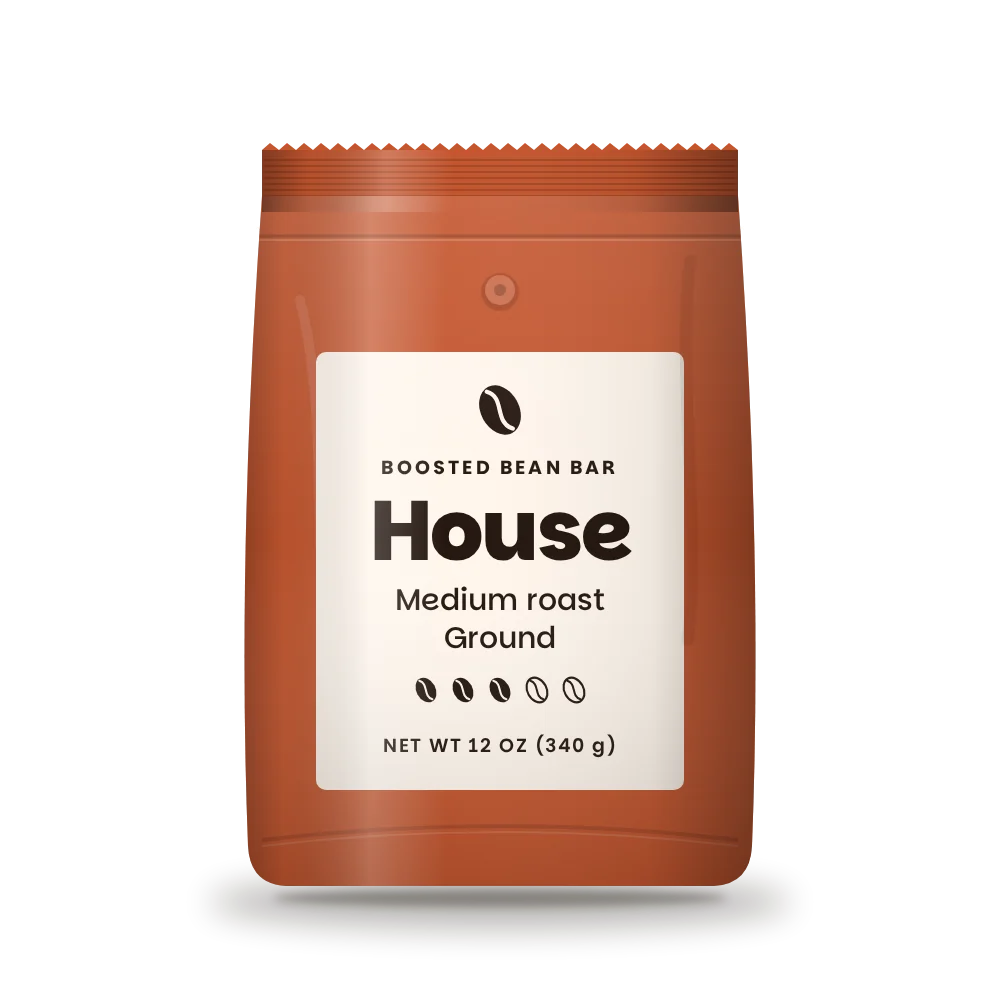
If you are not sure where to start, start here. The House Blend Medium Roast comes ground for drip machines and pour-over cones, and the same roast is also sold as whole bean if you grind at home. The Colombia Medium Roast is another medium option for a change of pace.
Dark roast: bold and roasty
Dark roasts stay in the roaster the longest. The beans turn deep brown and can look oily. The flavor moves toward cocoa, toast and smoke, with a heavier body and less of the bright acidity you find in lighter coffee. Dark roasts stand up well to milk, syrups and sweet creamers, which is why so many cafe-style drinks are built on them.
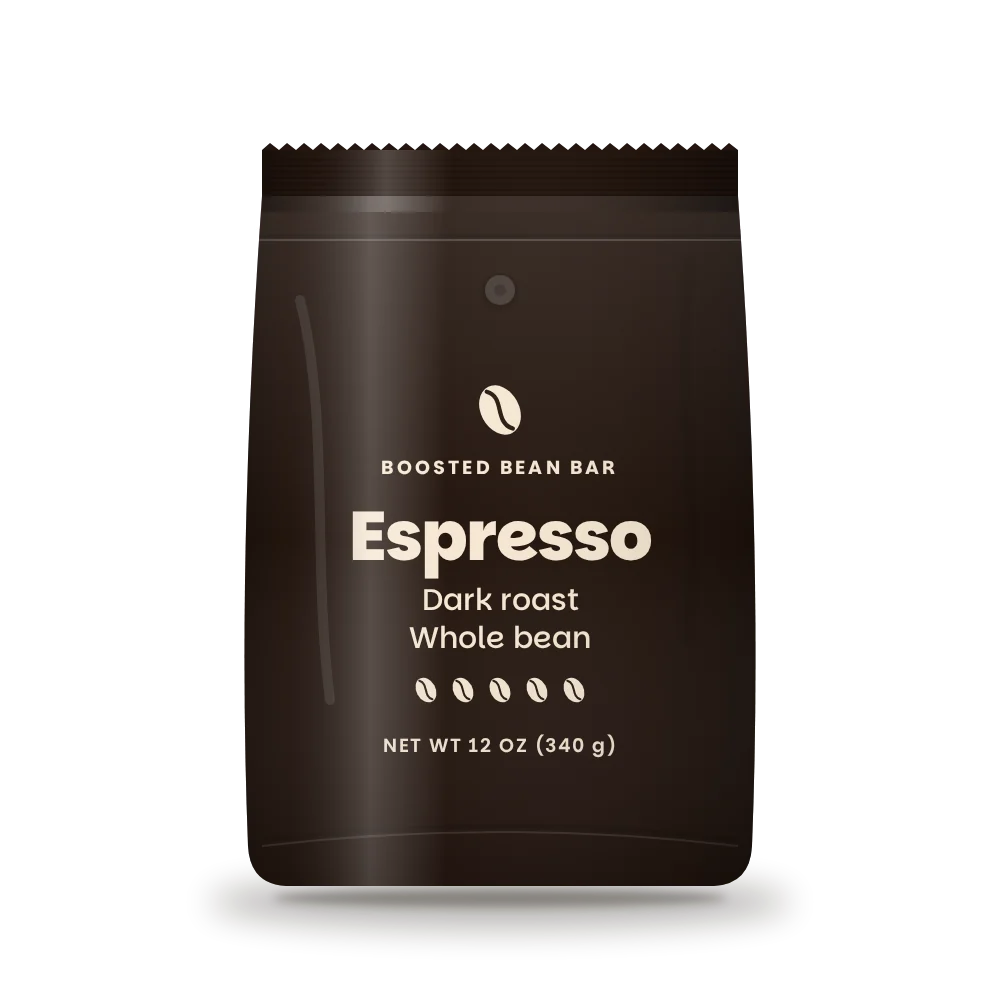
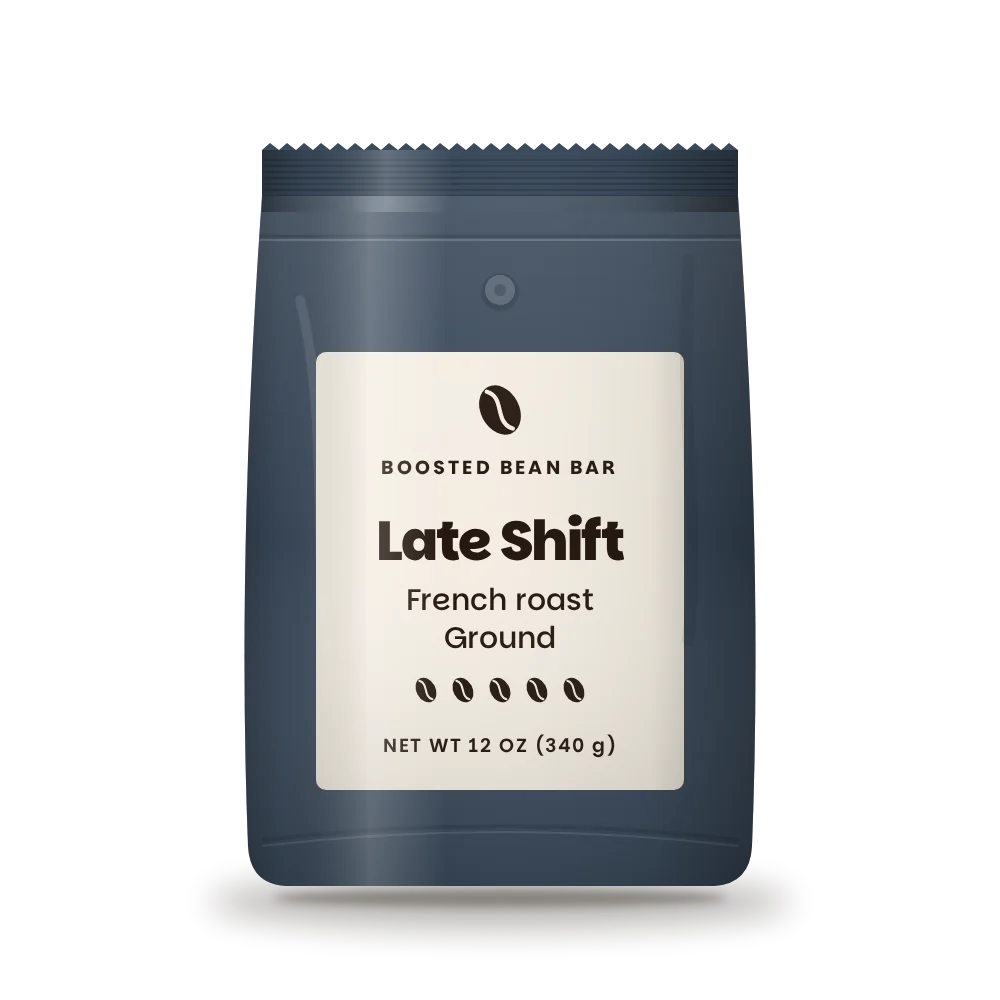
On our shelf, the Bar Espresso Dark Roast comes as whole bean, and the Late Shift French Roast comes ground for a drip machine.
A common myth about roast and strength
Many people assume a dark roast is the "strong" coffee. In practice, how strong a cup tastes depends mostly on how much coffee you use for the amount of water. A light roast brewed with plenty of coffee can taste stronger than a dark roast brewed thin. If your coffee tastes weak, try adding a little more coffee before you switch roasts.
Matching roast to the way you brew
- Drip machine: medium and dark roasts are easy wins. Light roasts work too, especially if you use a little more coffee.
- Pour-over: light and medium roasts show off what a pour-over does best, which is a clean, clear cup.
- French press: medium and dark roasts give the rich, full body a press is known for.
- Milk drinks and syrups: dark roasts keep their coffee flavor under milk and sweetness.
- Cold brew: medium and dark roasts tend to give a smooth, chocolatey result.
How to find your favorite
The quickest way to learn what you like is to taste two roast levels side by side. Brew a light and a dark roast the same way, with the same amount of coffee and water, and sip each one black before adding anything. Most people know within a few sips which direction they prefer. From there, you can fine tune with grind size, brew time and the amount of coffee you use.
When you are ready to try something new, browse the full roast shelf and pick one step lighter or darker than your current favorite. Small moves are the easiest way to discover a new everyday bag without risking a pound of coffee you do not enjoy.
Quick answers
Which roast is best for beginners? A medium roast. It is balanced, works in every brewer and takes milk well.
Does roast level change how I should store the beans? Not really. Every roast keeps best sealed, away from light, heat and moisture, and used within a few weeks of opening.
Can I mix two roasts? Yes. Blending a light and a dark roast at home is a simple way to land somewhere in between.