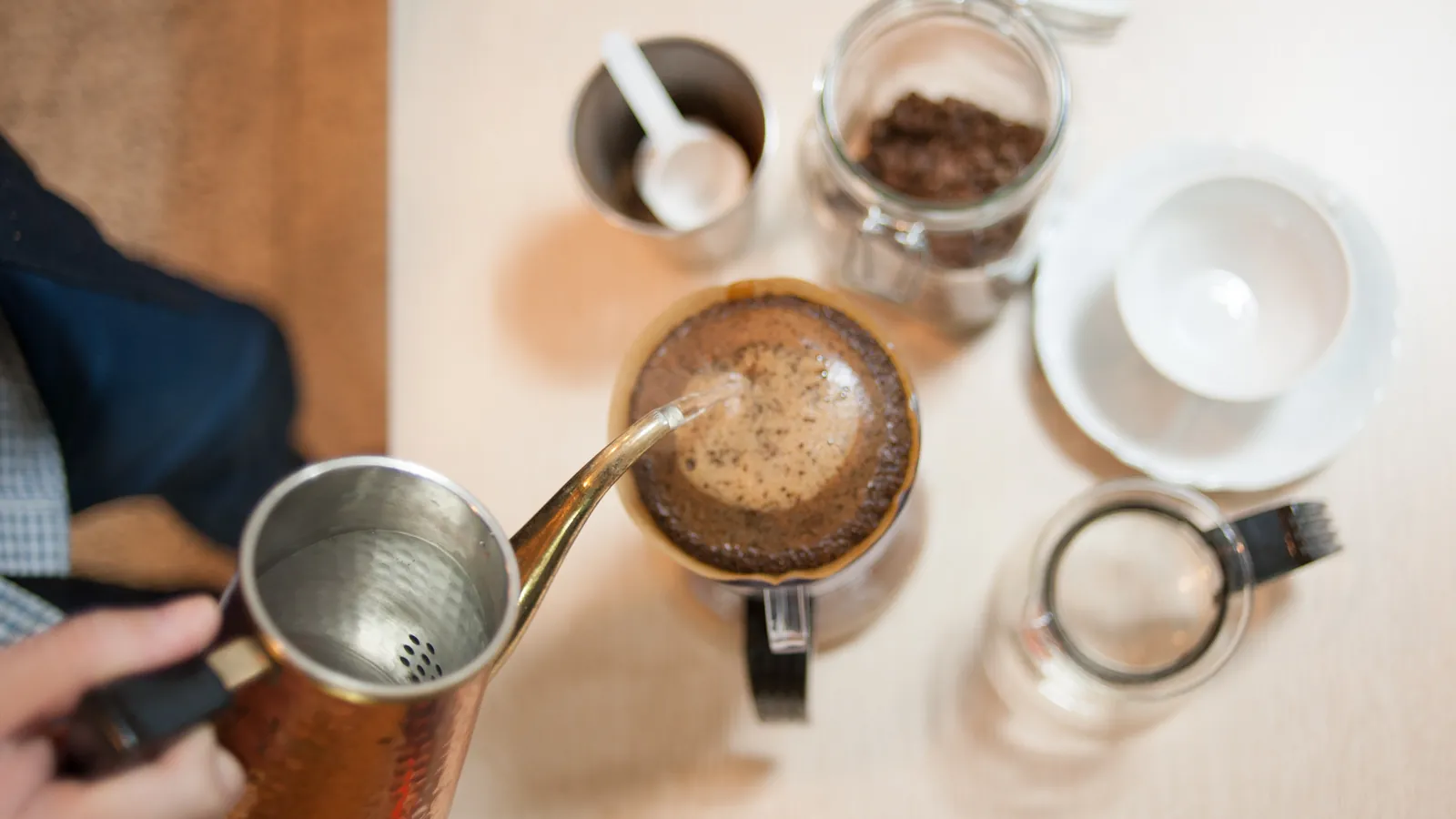
Pour-over coffee comes down to four things: a medium-fine grind, about two tablespoons of coffee for every six ounces of water, water just off the boil, and slow, steady pouring. Get those right and you will have a clean, clear cup that shows off the flavor of the beans.
What you need
- A pour-over cone and the paper or reusable filter that fits it.
- Freshly ground coffee, or a bag already ground for pour-over.
- A kettle. One with a narrow spout makes slow pouring easier, but any kettle works.
- A mug or carafe to brew into.
- A spoon or a kitchen scale, if you have one.
Step by step
- Heat the water. Bring it to a boil, then let it rest for about 30 seconds so it is just below boiling.
- Rinse the filter. Set the filter in the cone, place it on your mug and pour a little hot water through it. This warms everything up and rinses away any papery taste. Pour that water out.
- Add the coffee. Use about two level tablespoons of medium-fine ground coffee for every six ounces of water. Give the cone a gentle shake to level the bed.
- Let it bloom. Pour just enough water to wet all the grounds, about twice as much water as coffee, and wait 30 to 45 seconds. Fresh coffee will puff up and bubble as it releases gas.
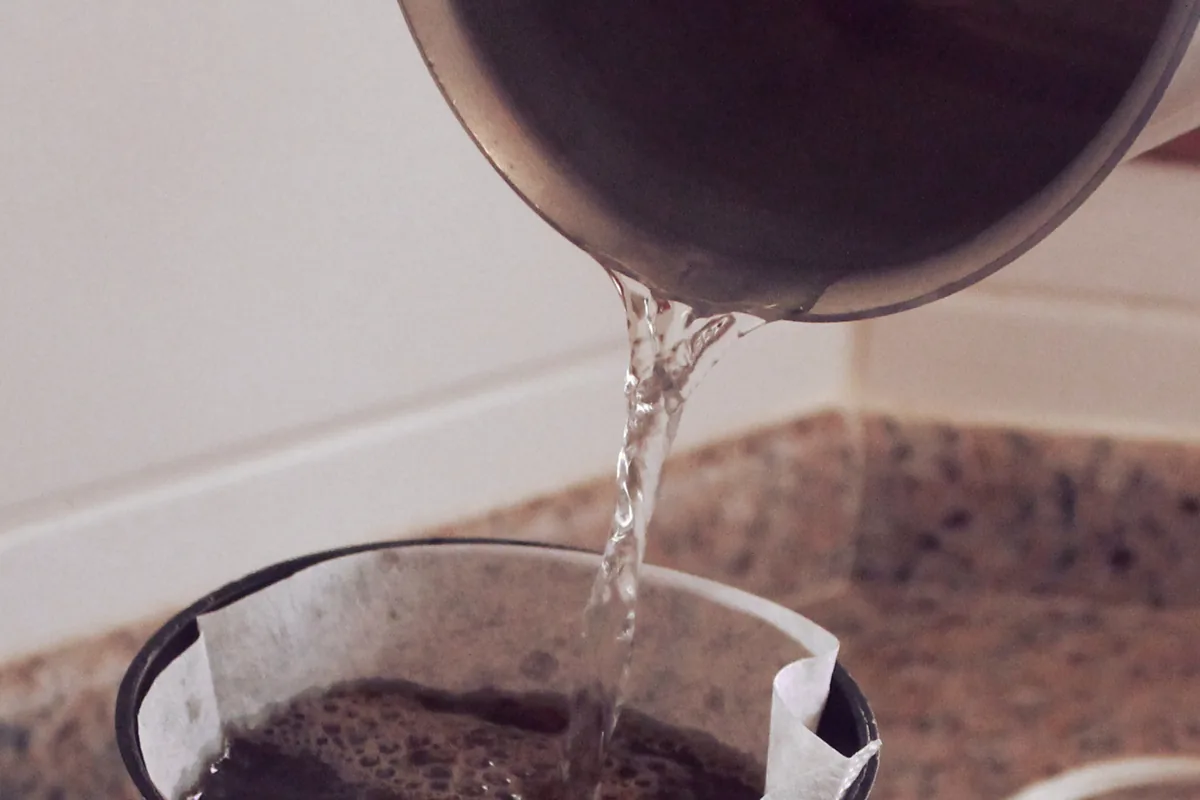
- Pour in stages. Pour slowly in small circles from the center outward, avoiding the paper at the edges. Add water in two or three pours, keeping the level steady rather than filling the cone to the top.
- Let it drain. When the last of the water has drained through, remove the cone and give the coffee a swirl before you drink it.
Picking a coffee for pour-over
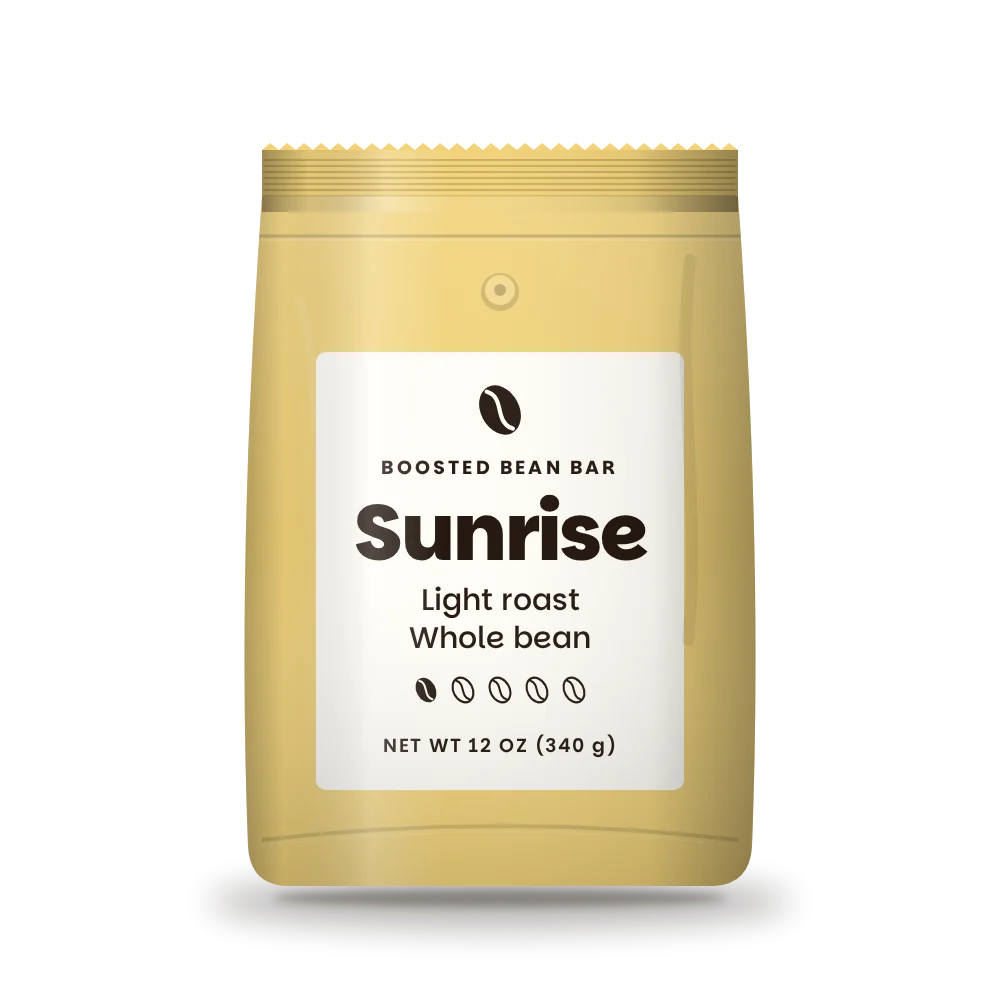
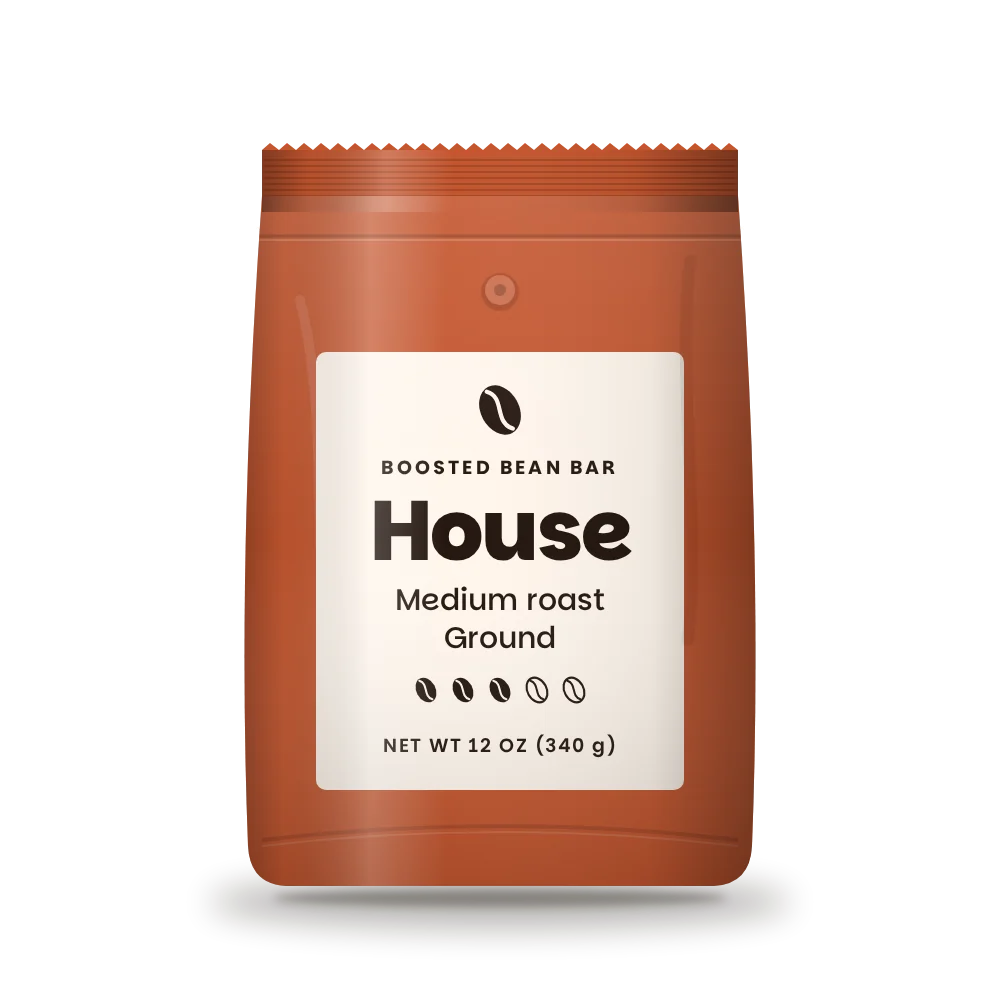
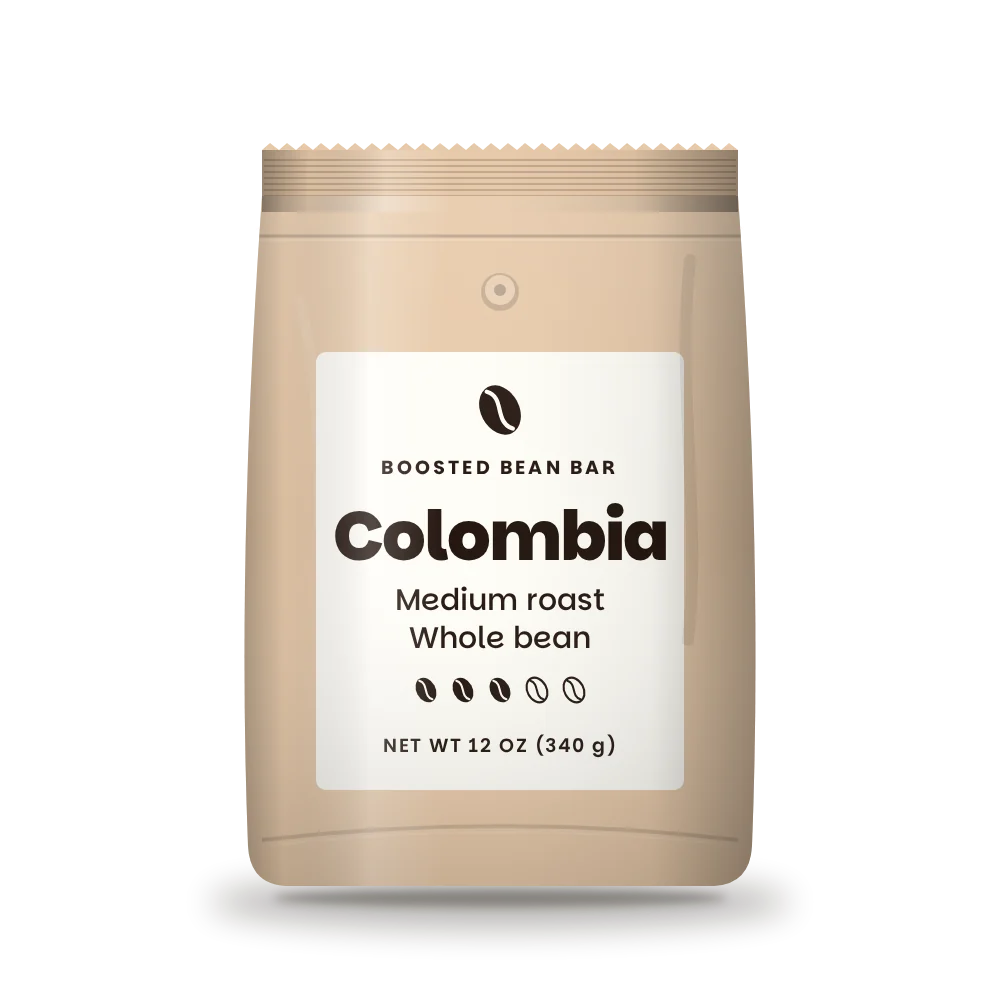
Pour-over is known for a clean cup with very little sediment, which makes it a good way to taste the differences between coffees. Light and medium roasts are popular choices because their brighter flavors come through clearly. Try the Sunrise Light Roast or the Colombia Medium Roast if you grind at home, or the House Blend Medium Roast, Ground if you do not.
How long should it take?
For a single mug, the whole brew usually takes around three to four minutes from the first pour to the last drip. You do not need to time it exactly, but the total time is a useful clue when the cup tastes off.
- Drains very fast and tastes sour or thin: grind finer, or pour more slowly.
- Drains very slowly and tastes bitter or harsh: grind coarser, or pour a little faster.
Small habits that help
- Measure the same way every time. Whether you use a spoon or a scale, consistency makes it possible to fine tune.
- Keep the pour gentle. A heavy stream digs a hole in the coffee bed and lets water rush past part of the grounds.
- Avoid pouring onto the filter walls. Water that runs down the paper skips the coffee entirely.
- Use good water. If your tap water tastes off on its own, it will taste off in your coffee. Filtered water is an easy fix.
Making more than one cup
Scale the coffee and water together. If two tablespoons for six ounces works for one mug, use four tablespoons for twelve ounces. The brew will take a little longer with more coffee in the cone, which is normal. If it starts to taste bitter at larger sizes, try a slightly coarser grind.
Serving it
A pour-over cools faster than you might expect, so warm your mug with a little hot water before you brew. A 14 oz stoneware mug leaves room for a splash of milk if you take one.
Quick answers
Do I have to use a scale? No. Spoons work fine. A scale just makes it easier to repeat a cup you loved.
Why bloom the coffee? Freshly roasted coffee holds gas that can push water away from the grounds. A short bloom lets that gas escape so the rest of the water can do its job.
Can I use a dark roast? Yes. Dark roasts make a rich pour-over. You may want a slightly coarser grind or a little less coffee to keep it from tasting heavy.