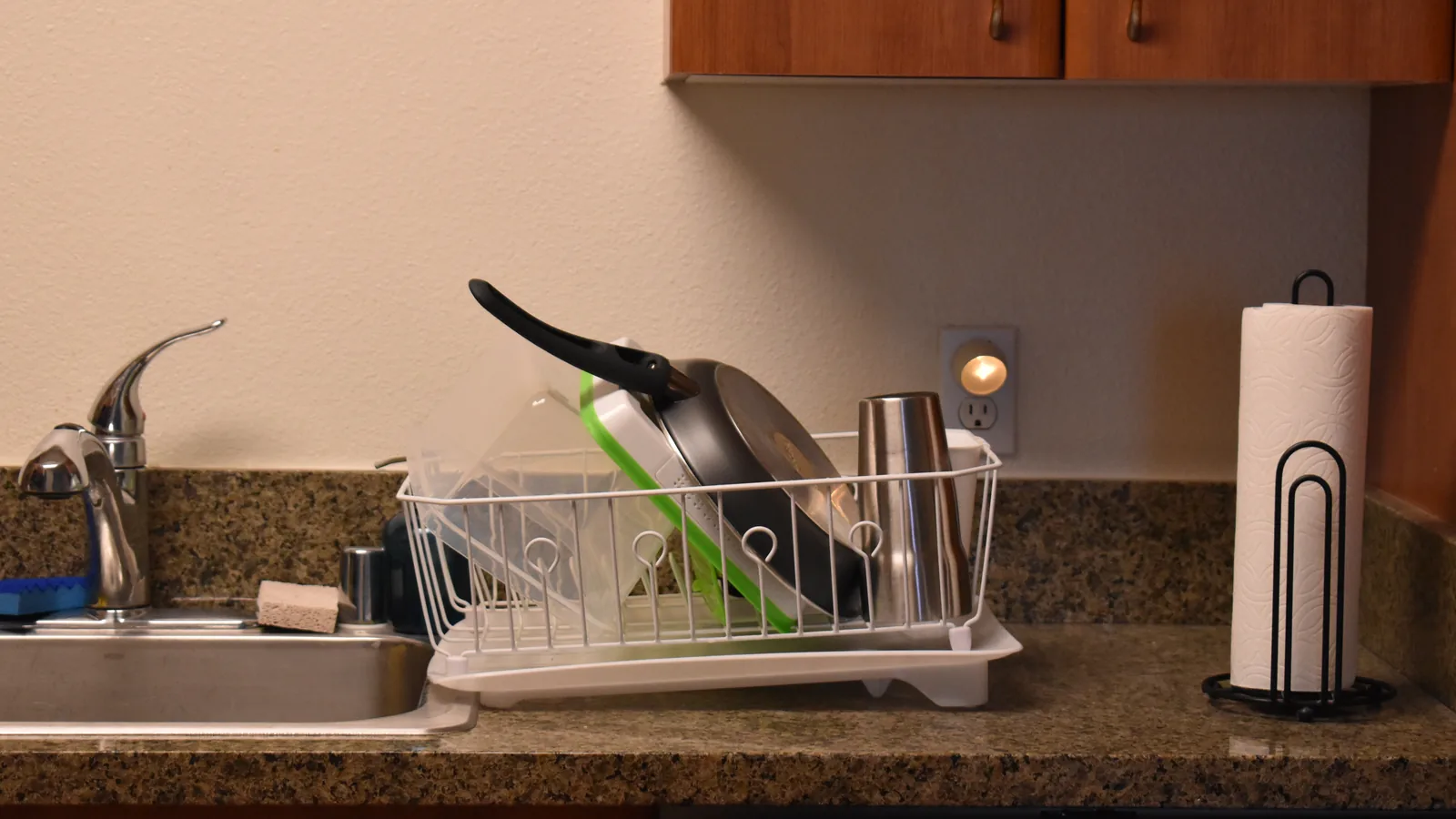
Rinse coffee gear soon after you use it, wash it with warm soapy water, take apart anything that comes apart and let every piece dry fully before you put it back together. Above all, follow the care instructions that came with each item, because materials and finishes differ.
Why clean gear makes better coffee
Coffee contains oils that cling to surfaces. Over time those oils build up and turn stale, and that stale taste ends up in your next cup. Old grounds, milk residue and hard water deposits do the same. Regular cleaning is one of the easiest ways to make your coffee taste better, and it keeps your gear looking good longer.
The everyday routine
- Empty grounds into the trash or compost, not down the sink drain.
- Rinse right away, before coffee or milk dries.
- Wash with warm water and a little dish soap, using a soft brush or sponge.
- Rinse well so no soap taste is left behind.
- Let everything air dry completely.
French press
Scoop out the grounds, then take the plunger apart. Oils and fine grounds collect between the mesh and the plates, so separate the layers and rinse each one. Check the care instructions that came with your press before putting any part in a dishwasher.
Pour-over cone
Throw away the used paper filter with the grounds, then rinse the cone. If you use a reusable filter, rinse it from the outside in to push grounds out of the holes, and wash it now and then to remove oils.
Insulated tumblers
Tumblers need a little extra attention because of their lids. Many lids have seals, sliders or gaskets designed to be removed for cleaning. Take them apart when the instructions say you can, wash each piece, and let them dry before reassembling. Milk and sweet syrups left in a lid are the most common source of odd smells. For the Insulated Tumbler with Lid, follow the care instructions for that cup first.
Mugs
Rinse mugs soon after drinking to avoid coffee rings. If a mug does pick up stains, a paste of baking soda and a little water rubbed gently with a soft sponge often lifts them. Avoid harsh scouring pads, which can scratch glazes. As with everything else, follow the care instructions for your stoneware mug.
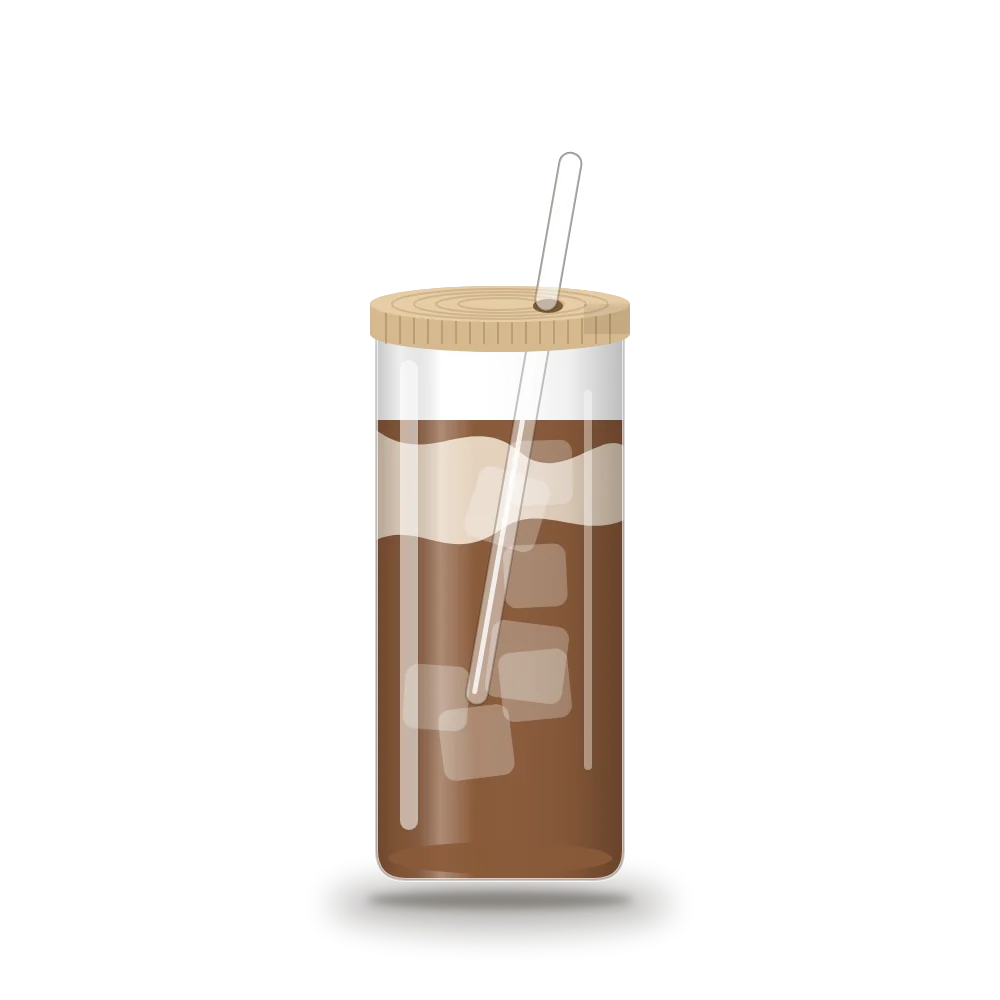
Glass cups, lids and straws
Wash glass gently and avoid sudden temperature changes, such as pouring very hot water into a glass that just came out of the refrigerator. Straws are easiest to clean with a narrow straw brush. Natural materials like bamboo lids generally prefer a quick hand wash and a full air dry rather than soaking. Check the care instructions for your Glass Iced Coffee Cup.
Kettles and hard water
If your area has hard water, a chalky film can build up inside kettles. Follow the kettle maker's descaling instructions. Many people use a mix of water and white vinegar, followed by several rinses with fresh water so no vinegar taste is left behind.
Grinders
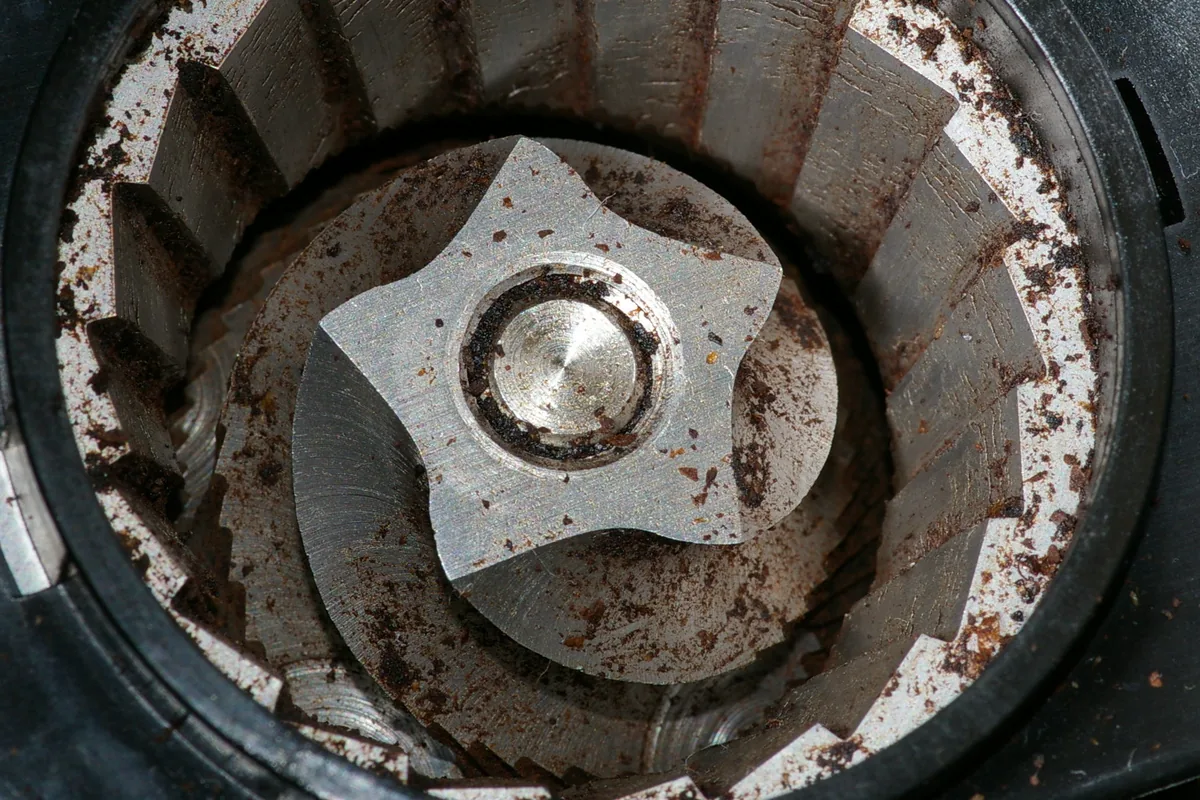
Unplug electric grinders before cleaning. Brush out loose grounds with a dry brush. Do not use water inside a grinder unless its instructions say so. Grinding a small amount of fresh coffee after cleaning helps clear out any leftover old grounds before you grind for your next cup.
Drip coffee makers
Wash the carafe and the removable filter basket after each use, just like any other dish. Wipe the area around the brew head where splashes collect. Over time, minerals from water can build up inside the machine; follow the maker's instructions for descaling, which usually involves running a cleaning solution through a brew cycle and then several cycles of fresh water. A machine that suddenly brews more slowly is often due for a clean.
A simple weekly checklist
- Take apart tumbler lids and wash the seals.
- Separate and wash the French press plunger.
- Brush out the grinder.
- Check the kettle for scale.
- Look for coffee rings in mugs and lift them early.
A fresh start
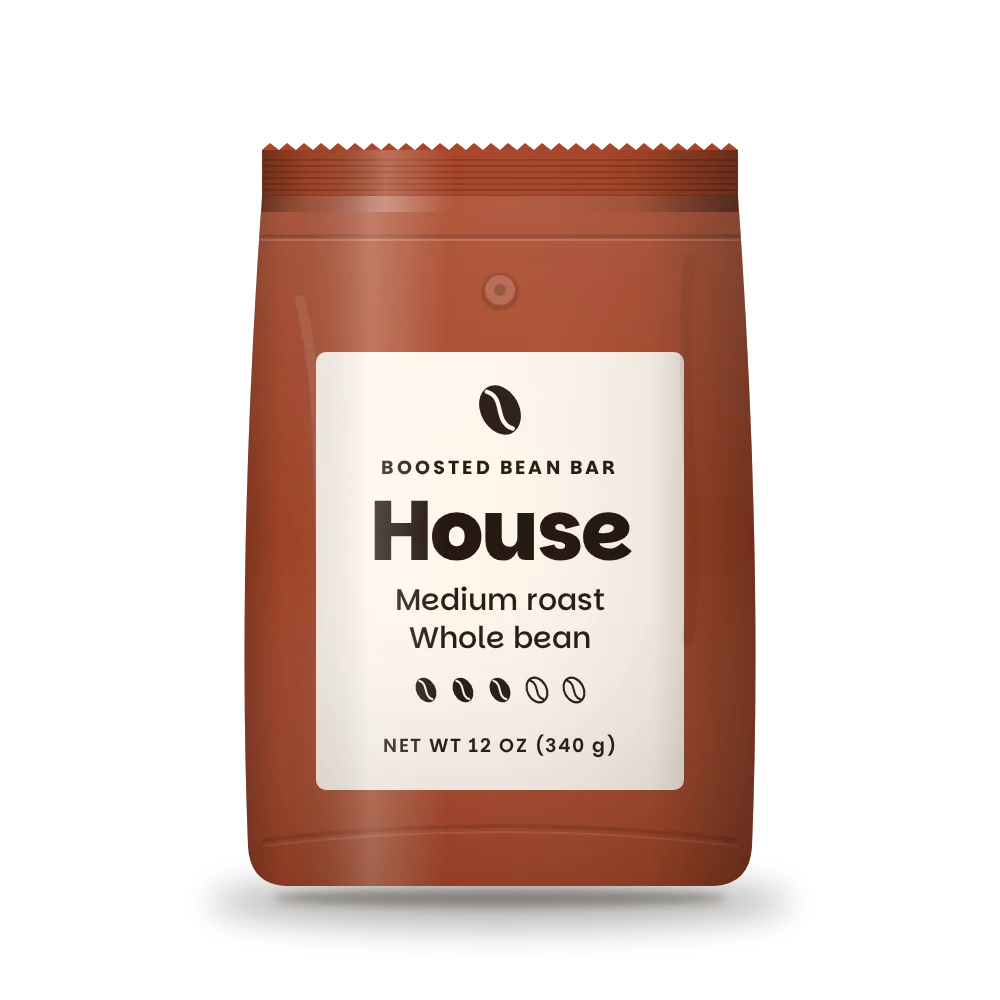
Clean gear deserves fresh coffee. After a good cleaning, brew a bag you enjoy, like the House Blend Medium Roast, Whole Bean, and taste how clean the cup can be.
Quick answers
Can coffee grounds go down the sink? It is better not to. They can build up in pipes. Put them in the trash or compost.
Is the dishwasher okay? Only if the item's care instructions say so.
How often should I deep clean? A quick wash after every use and a closer look once a week keeps most gear in good shape.