Before you stir a collagen or protein powder into coffee, read its label for the serving size and the maker's directions. Then match the powder to the drink: unflavored powders suit a cup you want to keep tasting like coffee, and flavored ones work like a mixer. Mix the powder into a little warm liquid first, and the rest is easy. This post is about choosing and mixing only.
Start with the label, every time
The label is the authority on how much to use, not a blog post and not a scoop that looks about right. It lists the serving size, the maker's suggested use and the full ingredient list. Read it before your first cup and again whenever you switch products, because two powders can have very different serving sizes.
- Serving size: usually given in scoops or tablespoons and in grams. Use the scoop that came in the container if there is one.
- Suggested use: some makers say how to mix the powder or which drinks they suggest it for.
- Ingredients: worth a look if you avoid certain foods or added sweeteners.
If you are pregnant or nursing, take medication or have a medical condition, check with your doctor before using a dietary supplement.

Flavored or unflavored?
This is the choice that shapes the whole drink.
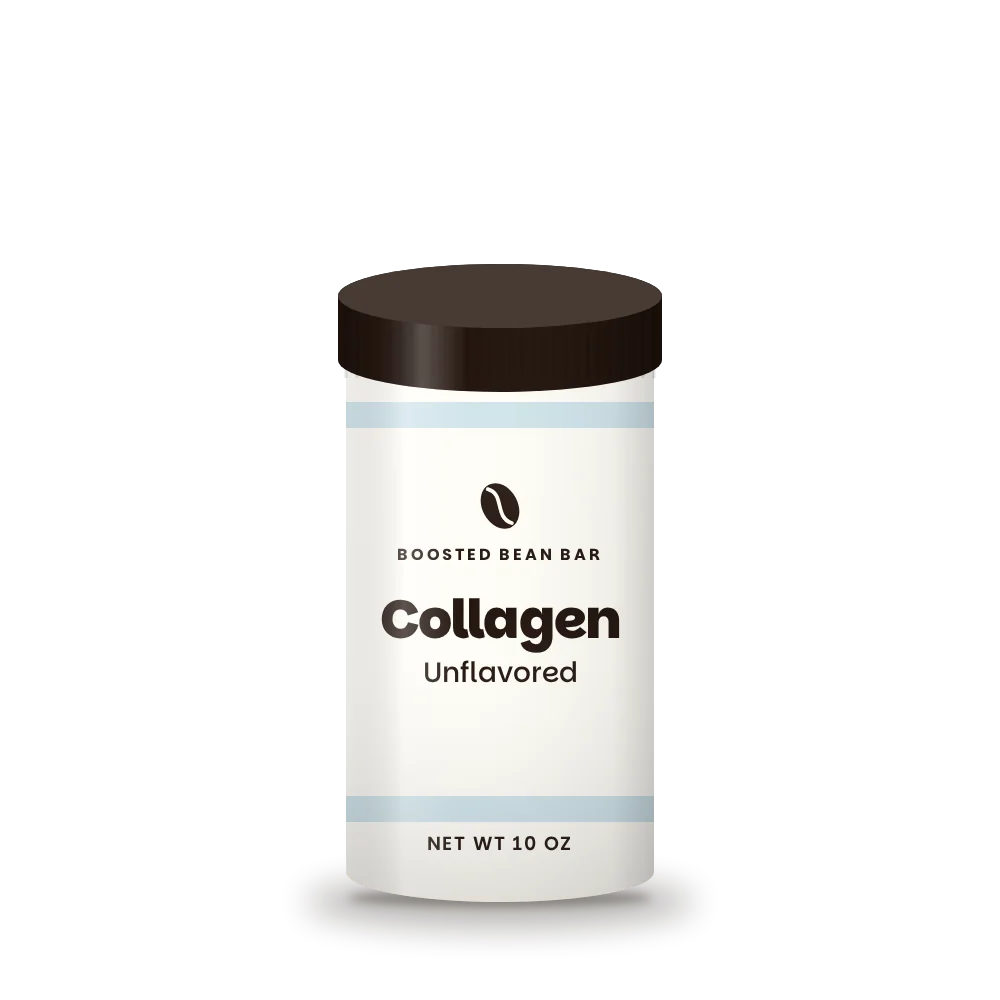
- Unflavored powders have no added flavor, so they suit people who like their coffee to taste like coffee. Our Collagen Peptides Coffee Booster is the unflavored option on the shelf.
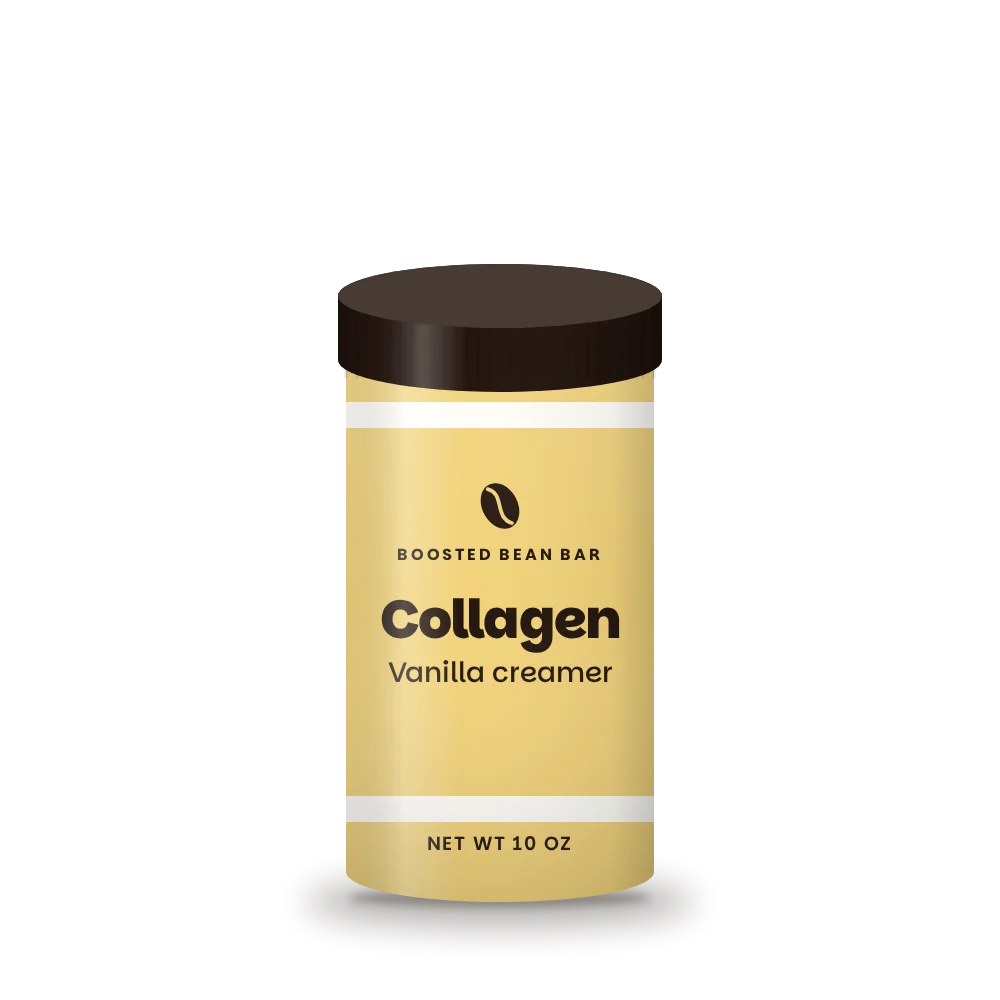
- Creamer-style powders sit between a booster and a creamer. The Vanilla Collagen Creamer is one, so treat it like a creamer and skip other creamers until you have tasted it.
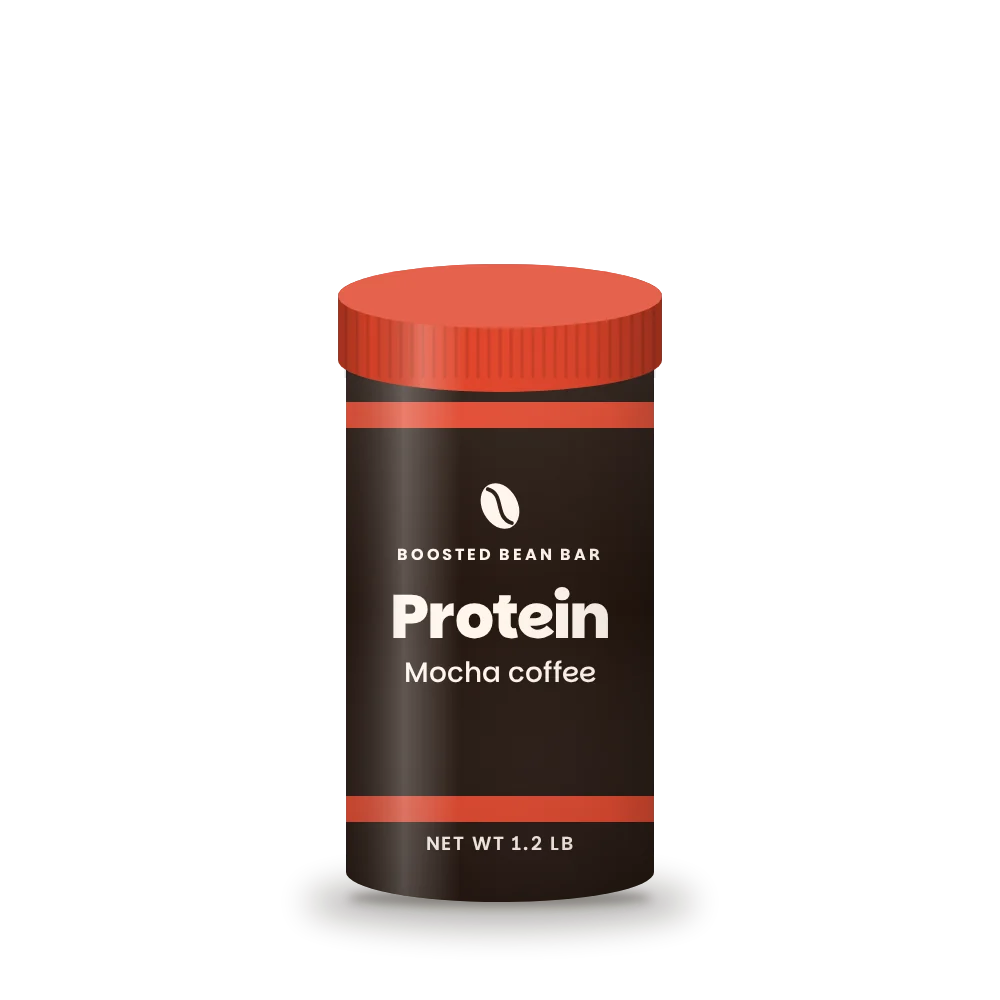
- Flavored drink powders, like the Protein Coffee, Mocha, bring their own flavor. Taste before adding any syrup.
A simple rule: one flavored thing per cup to start. Stack a syrup on top only after you know how the powder tastes on its own.
Hot coffee: the order that works
Powder goes in the empty mug first, then a splash of warm coffee, then a stir into a smooth paste, then the rest of the coffee. The same paste method keeps creamer powders smooth, and our post on getting creamer powder to dissolve walks through it step by step. Very hot coffee straight off the boil is not needed; a cup that has rested for a minute mixes just as well and is easier to sip.
Iced coffee: mix while something is warm
Most powders mix slowly in cold liquid, so do the mixing first and the chilling second.
- Make the paste with two or three tablespoons of warm coffee or warm water.
- Stir in cold brew or chilled coffee.
- Add cold milk if you like, then ice last.
A sealed cup also works: shake the powder with cold coffee for about ten seconds, then pour over ice. Shake only cold or warm drinks, never piping hot ones, because a hot drink in a closed cup can build pressure. Open the lid slowly, pointing it away from you.
Tools that make it easier
- A small whisk breaks up a paste faster than a spoon.
- A handheld frother mixes powder into milk in a few seconds and adds a light foam on top.
- A lidded cup is the easiest way to mix an iced drink on a busy morning.
Fitting a booster into your routine
The easiest habit is to tie the powder to a drink you already make. If your morning cup is a medium roast with milk, an unflavored powder slips into that routine without changing the recipe. If your afternoon drink is an iced coffee, a flavored powder can take the place of a syrup. Keep the container next to your coffee, close it right after scooping, and use a dry spoon so the powder does not cake.
Storing powders
Keep the lid tight and the container in a cool, dry cupboard, away from the steam of a kettle or coffee maker. Follow any storage directions on the package. If the powder has formed soft lumps in the container, a fork usually breaks them up, but powder that has turned hard or smells off should go.
Quick answers
How much should I use? The serving size on the label.
Can I use a booster and a creamer together? You can. Mix the booster first, then the creamer, then any milk.
Does a flavored powder replace syrup? Often, yes. Taste the drink before you add any.
Dietary supplements: these statements have not been evaluated by the Food and Drug Administration. These products are not intended to diagnose, treat, cure or prevent any disease.